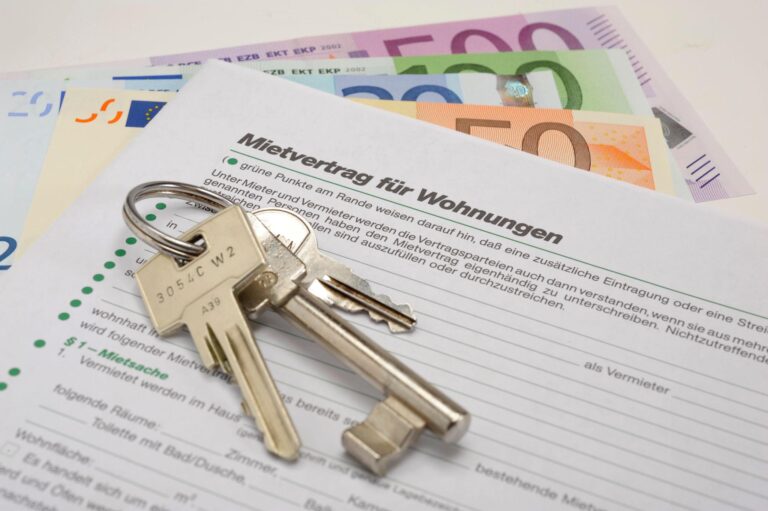
Apartment handover – what you need to know when moving in and out of a tenancy in Germany.
The apartment handover is one of the most important moments in a tenancy. Nevertheless, it is underestimated by many tenants – especially those new to Germany. This is precisely where most conflicts arise later: disputes over damages, the security deposit, renovations, or alleged defects.
Knowing how to properly conduct an apartment handover protects you from unnecessary stress, costs, and misunderstandings.
Why the handover of the apartment is so crucial
In Germany, it’s not just your impression of the apartment that matters, but also what’s documented.
The handover determines:
- what you are responsible for
- which damages can be charged to you
- whether you get your security deposit back
Without clear documentation, it often comes down to one person’s word against another’s – and that’s usually to the tenant’s disadvantage.
The handover of the apartment upon moving in
Moving in is the moment you officially take over the apartment. From now on, you are responsible.
Handover protocol – the most important document
A handover protocol is usually drawn up when you move into an apartment. This document describes the condition of the apartment upon move-in.
It includes details such as:
- Condition of the walls
- Floor coverings
- Windows
- Doors
- Bathroom and kitchen
- Meter readings (electricity, water, gas)
- Number of keys
This protocol is extremely important. It protects you from later claims for damages that were already present before you moved in.
Never move in without a protocol.
A common mistake:
Tenants move in without insisting on a move-in inspection report.
This is risky. If damage is discovered later, the landlord can claim it was caused by you.
Always insist on:
- a written inspection report
- signatures from both parties
- a copy for yourself
Check everything carefully – even the smallest details.
During the handover, take your time and inspect everything carefully.
Pay particular attention to:
Scratches in the floor
Cracks in the walls
Stains
Defective electrical outlets
Leaky windows
Stains of mold
Even minor defects should be noted. In Germany, the rule is: If it’s not recorded in the handover protocol, it often doesn’t exist later.
Taking photos – your extra protection
In addition to taking notes, you should take photos or videos.
Important:
- Save the date
- Photograph all rooms
- Capture details
These images can be crucial in case of a dispute. They are not an overreaction, but rather standard precautionary measures.
Don’t forget the meter readings!
When moving in, the meter readings must be recorded:
- Electricity
- Gas
- Water
You will need these readings for:
- Billing
- Registration with utility companies
- Proof in case of later charges
Missing them can be expensive.
Key handover – that’s part of it too.
The record must state:
- how many keys you receive
- for the apartment
- for the front door
- for the basement
- for the garage
If any keys are missing, you should note this immediately. You are later obligated to return all keys you received.
The handover of the apartment upon moving out
Moving out is usually more prone to conflict than moving in – especially because of the security deposit.
Preparation is everything
Before the handover:
- Clean the apartment
- Dispose of the trash
- Remove personal belongings
Whether renovations are necessary is not automatically determined by the contract. Many clauses are invalid.
Do I need to paint or renovate?
A very common misconception:
„I always have to repaint when I move out.“
That’s not true.
The obligation to renovate depends on:
- valid contract clauses
- wear and tear
- condition at the time of move-in
Fixed deadlines like „repaint every 3 years“ are often invalid. If you’re unsure, have the contract reviewed.
Handover protocol upon move-out
A move-out inspection report is also prepared.
It includes:
- Condition of the apartment
- New damage
- Return of keys
- Meter readings
Please ensure that:
No general statements like „apartment OK“ are included without details
No damage is recorded that is simply normal wear and tear
Normal wear and tear vs. damage
Not everything is considered damage.
Normal wear and tear includes:
- minor signs of use
- worn carpet
- small drill holes
Damage includes:
- large holes
- damaged doors
- deep scratches
- deliberate damage
No money may be deducted from your security deposit for normal wear and tear.
Key return – complete and documented
All keys must be returned. A missing key can be costly – especially with master key systems.
Insist that:
- the number of returned keys is recorded in the log
- this is confirmed.
Deposit and handover of apartment
After you move out, the landlord may not immediately withhold the security deposit, but they may inspect it.
Typical inspection periods are:
3 to 6 months
The landlord may withhold money for:
- documented damages
- outstanding utility bills
They may not withhold it:
- without justification
- for normal wear and tear
Typical mistakes during apartment handover
Very common mistakes include:
- no written record
- no photographic evidence
- signing under time pressure
- concealing defects
- fear of the landlord
In Germany, the rule is: remain objective, document everything, and don’t sign anything you don’t understand.
What to do in case of a dispute.
If problems arise:
- Communicate in writing
- Set deadlines
- Secure evidence
Helpful resources:
- Tenants‘ association
- Consumer advice center
- Advice centers
Many conflicts can be resolved with preparation.
Apartment handover and integration
The apartment handover clearly demonstrates how things work in Germany:
- Rules
- Documentation
- Responsibility
Those who are prepared are respected.
Those who take everything lightly often run into problems.
This has nothing to do with mistrust, but with clarity.
Conclusion: Handover is not a mere formality
The apartment handover isn’t a chore, it’s your protection.
Whoever:
- checks
- documents
- asks questions
- remains objective
saves money, stress, and hassle.
A thorough handover is the foundation for a good living experience – both when moving in and moving out.
About the author
Anita Grabowski is an integration and career advisor for Indian IT-Professionals in Germany and founder of Germandia.
She supports highly qualified Indian talent who come to Germany with ambitions but are confronted with repeated job rejections, bureaucratic hurdles, and the pressure of obtaining a visa. Her work focuses on optimizing resumes according to German standards, structured application strategies, interview preparation, and practical guidance through the German system.
Anita combines clarity, structure, and cultural understanding to help her clients position themselves optimally in the German job market. Her approach reduces uncertainty, increases the chances of job interviews, and boosts self-confidence in one of the most important phases of moving and building a career.
Her book “Deutsch sprechen ohne Angst” (Speaking German Without Fear) reflects her belief that courage and drive are the foundation for long-term success in a new country.