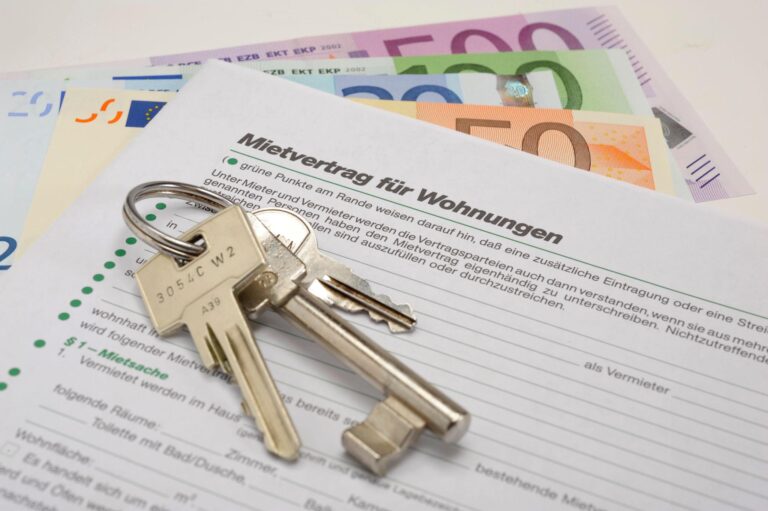
Finding an apartment in Germany – why it’s often difficult and what you should pay attention to
Finding an apartment in Germany is one of the biggest challenges for many people. Especially for newcomers, the market seems confusing, strict, and sometimes even unfair. Listings disappear quickly, viewings are overcrowded, and rejections often come without explanation. To better understand this, it helps to know who actually rents out apartments and how these landlords think.
Basically, there are two main types of landlords in Germany: large housing companies or housing associations and private landlords. They operate differently.
Housing Associations and Large Housing Companies
Housing associations, cooperatives, or large real estate companies often own many apartments. They operate according to fixed rules and clear criteria. They usually check very carefully whether the income is suitable for the rent. A common rule of thumb is that the rent should not exceed about one-third of the net income.
The advantage is that these landlords are professionally organized. Contracts are standardized, utility costs are clearly regulated, and repairs are usually carried out reliably. The disadvantage is that they are very inflexible. If a document is missing or the income is insufficient, a rejection is almost always the result. Personal stories or explanations rarely play a role.
With housing cooperatives, you often have to become a member and pay a share. In return, the rents are frequently somewhat lower and more stable in the long term.
Private Landlords
Private landlords usually own only one or a few apartments. They often make decisions based on their own experience. In addition to income and documents, the impression you make during the viewing is also important. A friendly demeanor, reliability, and a calm presence can be crucial.
This can be an advantage, especially if you are new to Germany or don’t yet have all the necessary documentation. At the same time, however, it also presents a risk. Some private landlords aren’t fully aware of the regulations or don’t always adhere to them. Therefore, it is particularly important to read the rental agreement carefully and not sign anything you don’t understand.
Important Documents for Your Apartment Search
Regardless of the landlord, similar documents are almost always required. These include proof of income, a Schufa credit report, a copy of your ID, and often a certificate of no rent arrears from your previous landlord. Preparing these documents saves time and makes you appear organized.
Typical Mistakes When Searching for an Apartment
Many people write impersonal, generic messages or respond to ads too late. In Germany, speed is crucial. Equally important is a short, polite message containing the most important information: who you are, what you do for a living, and when you’re looking for an apartment.
Another mistake is transferring money before you’ve seen the apartment and signed a contract. Reputable landlords never ask for a deposit or rent upfront without a viewing.
Patience and Strategy
Finding an apartment in Germany takes time, patience, and often many rejections. This is normal and says nothing about your worth. Understanding how landlords think, searching strategically, and being well-prepared significantly increases your chances.
Finding an apartment isn’t a matter of luck, but a process. And every step brings you closer to your goal.
About the author
Anita Grabowski is an integration and career advisor for Indian IT-Professionals in Germany and founder of Germandia.
She supports highly qualified Indian talent who come to Germany with ambitions but are confronted with repeated job rejections, bureaucratic hurdles, and the pressure of obtaining a visa. Her work focuses on optimizing resumes according to German standards, structured application strategies, interview preparation, and practical guidance through the German system.
Anita combines clarity, structure, and cultural understanding to help her clients position themselves optimally in the German job market. Her approach reduces uncertainty, increases the chances of job interviews, and boosts self-confidence in one of the most important phases of moving and building a career.
Her book “Deutsch sprechen ohne Angst” (Speaking German Without Fear) reflects her belief that courage and drive are the foundation for long-term success in a new country.